How to Use Social Media to Sell Products in Australia
Discover how Australian businesses can leverage social media platforms to sell products, reach targeted audiences, build brand trust, and drive consistent online sales growth.
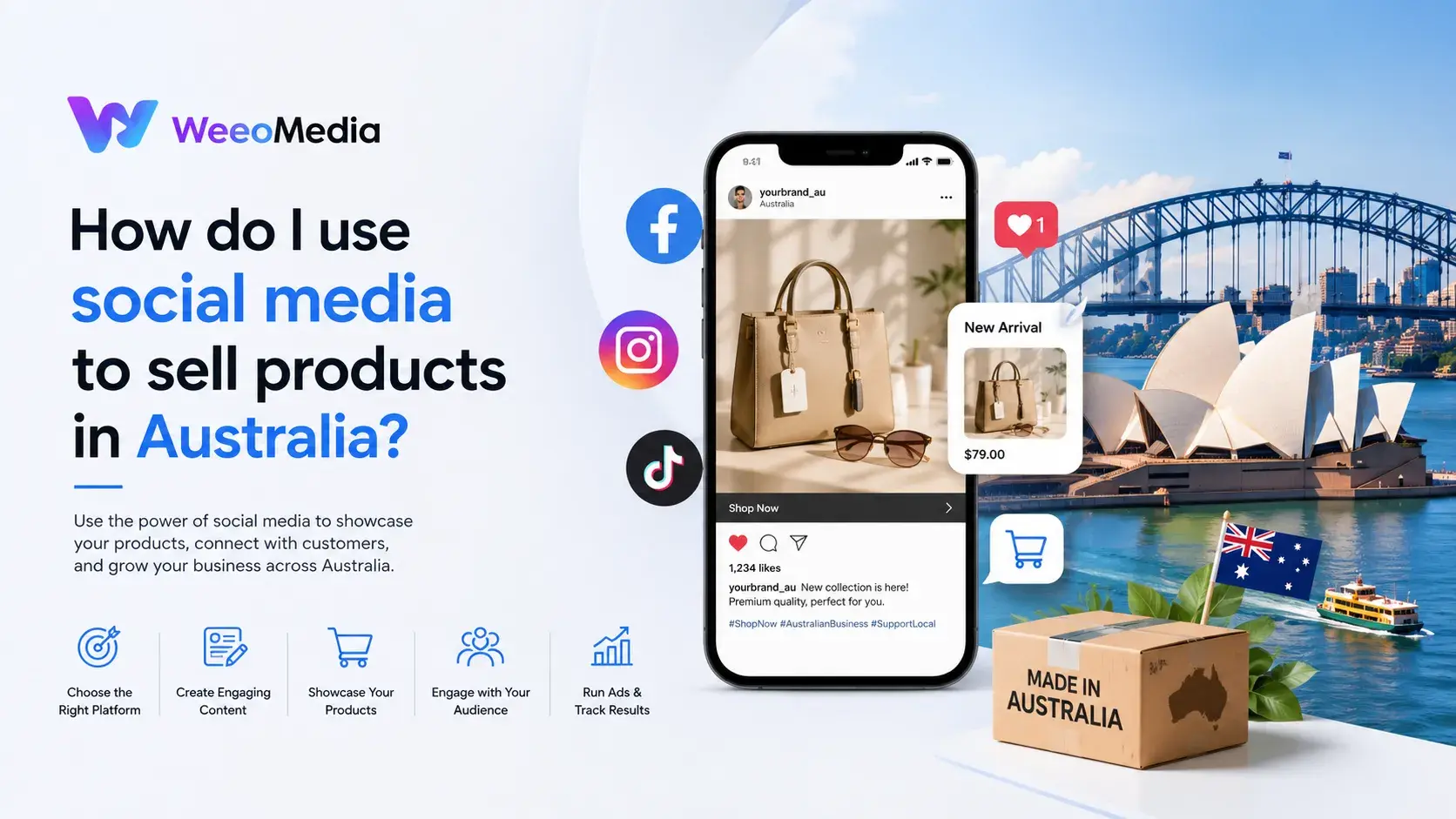
Social media has fundamentally changed the way Australians discover, evaluate, and purchase products. With over 20 million active social media users in Australia, platforms like Facebook, Instagram, TikTok, and Pinterest have evolved far beyond simple communication tools. They are now fully functional sales channels where businesses of every size, from solo entrepreneurs to large retail brands, are generating real, measurable revenue every single day.
If you run a business in Australia and you are not actively using social media to sell your products, you are leaving a significant amount of money on the table. The good news is that you do not need a massive budget or a dedicated marketing team to get started. What you need is a clear strategy, an understanding of where your customers spend their time online, and a consistent approach to creating content that connects with your audience and drives them toward a purchase.
This guide walks you through everything you need to know about social media selling in Australia, from choosing the right platforms and setting up your shop to creating content that converts and running paid campaigns that deliver a strong return on investment.
Why Social Media is a Powerful Sales Channel in Australia
Australians are among the most active social media users in the Asia-Pacific region. Research shows that the average Australian spends more than two hours per day on social media platforms. This presents an extraordinary opportunity for businesses that know how to put their products in front of the right people at the right time.
The shift toward social commerce, which is the practice of buying and selling directly within social media platforms, has accelerated dramatically in recent years. Features like Facebook Shops, Instagram Shopping, and TikTok Shop have removed the friction between product discovery and purchase, allowing customers to go from seeing a product in their feed to completing a checkout without ever leaving the app.
For Australian businesses, this means that social commerce strategies in Australia are no longer a nice-to-have addition to your marketing mix. They are a primary revenue channel that deserves serious investment and attention. Whether you sell handmade jewellery, skincare products, fitness equipment, homewares, or fashion, there is an audience on social media actively looking for what you offer.
Choosing the Right Social Media Platform for Your Products
Not every social media platform will be the right fit for every product or business. The key is to understand where your target customers are spending their time and what kind of content performs best on each platform.
Facebook: With over 17 million Australian users, Facebook remains the largest and most versatile social media platform for businesses. It is particularly effective for reaching adults aged 25 to 55, running highly targeted paid advertising campaigns, building community groups around your brand, and selling through Facebook Marketplace and Facebook Shops. Facebook's advertising platform offers some of the most sophisticated audience targeting options available, making it ideal for businesses that want to reach specific demographics, interests, and behaviours.
Instagram: Instagram is the dominant platform for visually driven product categories including fashion, beauty, food, homewares, fitness, and lifestyle products. With features like Instagram Shopping, product tags in posts and Stories, and a highly engaged user base, Instagram is one of the most effective platforms for Instagram product selling in Australia. The platform rewards high-quality visual content and consistent posting, making it ideal for brands that can invest in strong photography and creative presentation.
TikTok: TikTok has grown explosively in Australia, particularly among users aged 18 to 34. Its algorithm-driven content discovery means that even new accounts with small followings can achieve viral reach if their content resonates with viewers. TikTok is especially powerful for products that lend themselves to demonstration, transformation, or storytelling. TikTok marketing for Australian businesses is rapidly becoming one of the highest-ROI channels for product-based brands, particularly those targeting younger demographics.
Pinterest: Pinterest is an often-overlooked platform in Australia, but it is highly valuable for businesses selling products in categories like home decor, fashion, beauty, wedding products, recipes, and DIY crafts. Pinterest users are in a planning and discovery mindset, which means they are often open to purchasing inspiration they encounter on the platform. Rich Pins allow you to link products directly to your website, creating a seamless path from inspiration to purchase.
LinkedIn: For B2B product sellers, professional service providers, and businesses offering products to other businesses, LinkedIn remains the most effective social platform. If your target customer is a business owner, procurement manager, or industry professional, LinkedIn's targeting capabilities and professional context make it a strong channel for generating leads and driving sales conversations.
Setting Up Your Social Media Shop
Before you start creating content or running ads, you need to ensure your social media profiles are properly set up as sales channels. This means going beyond a basic business profile and fully utilising the commerce features available on each platform.
Facebook and Instagram Shops: Both platforms offer an integrated shopping experience through Meta's Commerce Manager. You can upload your product catalogue, create collections, tag products in posts and Stories, and allow customers to browse and purchase directly within the apps. Setting up a Facebook or Instagram Shop requires a business account, a connected Facebook Page, and compliance with Meta's commerce policies. For Australian businesses, you will also need to configure local payment options and shipping settings.
TikTok Shop: TikTok Shop is growing rapidly in Australia and allows businesses to sell products directly through TikTok videos, live streams, and the dedicated Shop tab. It integrates with major e-commerce platforms like Shopify, making it easier to manage inventory and orders across channels.
Linking to Your E-Commerce Store: If you use platforms like Shopify, WooCommerce, or BigCommerce, most social media platforms offer direct integrations that sync your product catalogue automatically. This ensures that product information, pricing, and availability are always up to date across all your social channels.
Creating Content That Sells
Content is the foundation of every successful social media sales strategy. The type of content that drives product sales on social media is very different from traditional advertising. It needs to feel native to the platform, genuinely valuable to the viewer, and authentic to your brand.
Product demonstration videos: Showing your product in use is one of the most effective ways to drive purchase intent. Whether it is a skincare routine, a kitchen gadget in action, or a piece of clothing styled in multiple ways, video content that demonstrates real-world use builds confidence and answers the questions potential buyers have before they commit to a purchase.
User-generated content: Content created by your actual customers, including unboxing videos, reviews, styled photos, and testimonials, is among the most persuasive content you can share on social media. It provides social proof that your product delivers on its promises and creates authentic connection with new audiences who trust real customers more than branded content.
Behind-the-scenes content: Sharing how your products are made, the story behind your brand, or a day in the life of your business builds the kind of emotional connection that turns casual followers into loyal customers. Australian consumers particularly respond well to authentic, locally made or locally owned brand stories.
Educational and how-to content: Teaching your audience something useful that is related to your product positions your brand as a trusted expert and keeps your content appearing in feeds consistently. A business selling cooking equipment might share recipes, a skincare brand might share application techniques, and a fitness equipment seller might share workout tutorials.
Seasonal and promotional content: Aligning your content with Australian seasonal events including Christmas, Australia Day, Easter, EOFY sales, Black Friday, and Mother's Day gives you regular hooks for promotional campaigns that feel timely and relevant to your audience.
Using Paid Social Media Advertising to Boost Sales
Organic content builds your brand and engages your existing audience, but paid social media advertising in Australia is what accelerates your reach and drives consistent sales volume. Even a modest paid advertising budget, used strategically, can deliver a strong return for product-based businesses.
Facebook and Instagram Ads: Meta's advertising platform is the most sophisticated and widely used paid social channel for Australian e-commerce businesses. You can target audiences based on age, location, interests, behaviours, and even purchase history. Retargeting campaigns, which serve ads to people who have already visited your website or engaged with your content, are particularly effective for converting warm audiences who are already familiar with your brand.
TikTok Ads: TikTok's advertising platform is growing quickly and offers competitive costs per click compared to Meta. In-feed ads, Spark Ads that boost organic content, and TopView placements are all effective formats for product-based businesses targeting younger Australian audiences.
Influencer and Creator Partnerships: Collaborating with Australian social media influencers and content creators whose audiences align with your target market is one of the most powerful forms of paid promotion available. Micro-influencers, those with between 5,000 and 50,000 followers, often deliver higher engagement rates and more authentic endorsements than larger celebrities, and they are significantly more affordable for small and medium-sized businesses.
Building Trust and Social Proof
Trust is the single biggest barrier to purchase for new customers encountering your brand for the first time on social media. Building brand trust on social media in Australia requires consistent effort across several areas.
Respond to every comment and direct message promptly and professionally. A brand that engages actively with its community signals that real people stand behind the products and that customer service is a priority. Share customer reviews, testimonials, and user-generated content regularly to demonstrate that real Australians are buying and loving your products. Display trust signals prominently on your social profiles and website, including secure payment badges, return policies, and any certifications or awards your business has received.
Consistency in posting, visual branding, tone of voice, and customer communication all contribute to the perception of a professional, trustworthy brand. Inconsistent or irregular social media activity suggests a business that is not fully committed, which erodes confidence among potential customers.
Measuring Your Social Media Sales Performance
You cannot improve what you do not measure. Tracking the right metrics is essential for understanding what is working in your e-commerce social media strategy for Australia and where your efforts need to be adjusted.
Key metrics to track include reach and impressions, which tell you how many people are seeing your content. Engagement rate, which measures likes, comments, shares, and saves as a proportion of your audience, indicates how well your content resonates. Click-through rate tells you how effectively your content is driving traffic to your website or product pages. Conversion rate measures how many of those visitors are completing a purchase. Return on ad spend is the critical metric for paid campaigns, showing how much revenue you generate for every dollar invested in advertising.
Most social media platforms provide native analytics dashboards that give you access to these metrics. Combining platform analytics with Google Analytics or your e-commerce platform's reporting gives you the most complete picture of how social media is contributing to your overall sales performance.
Common Mistakes Australian Businesses Make on Social Media
Selling too aggressively without providing value is one of the most common mistakes product-based businesses make on social media. Audiences follow brands for inspiration, entertainment, and education, not to be constantly sold to. A good rule of thumb is to ensure that only around 20 to 30 percent of your content is directly promotional, with the remainder focused on providing genuine value.
Ignoring comments and messages damages trust and reduces the reach of your content on most platforms, as engagement signals are used by algorithms to determine how widely a post is distributed. Inconsistent posting leads to declining reach and audience disengagement. Trying to be active on every platform simultaneously without the resources to do each one well dilutes your effort and produces mediocre results across the board. It is far better to excel on two platforms than to post sporadically on five.
Frequently Asked Questions
Which social media platform is best for selling products in Australia?
The best platform depends on your product type and target audience. Facebook is the most versatile and has the largest Australian user base, making it suitable for most product categories. Instagram is ideal for visually driven products like fashion, beauty, and homewares. TikTok is highly effective for reaching younger Australians and products that can be demonstrated through short video content. Pinterest works well for home decor, fashion, and lifestyle products. Research where your target customers spend their time and focus your energy there first.
Do I need a large budget to sell products on social media in Australia?
No. You can start selling on social media with a very modest budget. Setting up a Facebook or Instagram Shop is free, and organic content costs nothing beyond your time and creativity. When you are ready to invest in paid advertising, you can start with as little as five to ten dollars per day on Meta's advertising platform and scale your spending as you identify what works. The key is to start small, test different approaches, and reinvest profits into the activities that deliver the best return.
How often should I post on social media to sell products effectively?
Consistency matters more than frequency. Posting high-quality content three to five times per week on your primary platform is more effective than posting daily with inconsistent quality. For Stories and short-form video content, daily posting is generally more acceptable because the format is more casual and ephemeral. Develop a content calendar to plan your posts in advance and maintain a consistent rhythm.
How do I find the right influencers to promote my products in Australia?
Look for influencers whose audience demographics align with your target customer profile. Check their engagement rate rather than just their follower count, as high engagement indicates a genuinely connected audience. Review their past sponsored content to assess whether their endorsements feel authentic or overly commercial. Australian-based micro-influencers in your product niche often deliver the best results for small and medium businesses because their audiences are highly targeted and their fees are more accessible.
Can I sell products on social media without a website?
Yes, to a degree. Facebook Shops and Instagram Shopping allow customers to browse and purchase products entirely within the apps. However, having your own website gives you greater control over the customer experience, access to more detailed analytics, and the ability to build an email list, which is one of the most valuable long-term assets for any e-commerce business. A website also provides a professional foundation that builds trust with customers who want to verify your business before purchasing.
How do I handle customer service enquiries that come through social media?
Respond to all messages and comments as quickly as possible, ideally within a few hours during business days. Set up automated responses on Facebook Messenger to acknowledge enquiries outside of business hours and set expectations for when a full response will follow. Keep your tone professional, helpful, and consistent with your brand voice. Positive customer service interactions on social media are visible to other users and can significantly influence the purchasing decisions of potential customers who are watching how you treat your existing ones.
What type of content works best for selling products on Instagram in Australia?
High-quality product photography, short demonstration videos, customer testimonials, lifestyle imagery that shows your product in real-world settings, and Reels that tell a story or demonstrate a transformation consistently perform well on Instagram. Product tags in both feed posts and Stories create a direct path to purchase. Collaborating with Australian creators who can show your products to their engaged audiences through authentic content is also one of the highest-performing strategies on the platform.
Is TikTok worth investing in for an Australian product business?
Absolutely, particularly if your target audience includes Australians under 40. TikTok's algorithm gives even new accounts the opportunity to reach large audiences quickly if their content resonates. The platform rewards creativity, authenticity, and entertainment over production quality, making it accessible for small businesses without large content budgets. TikTok Shop is also growing rapidly in Australia, making the platform an increasingly complete sales channel rather than just a brand awareness tool.